
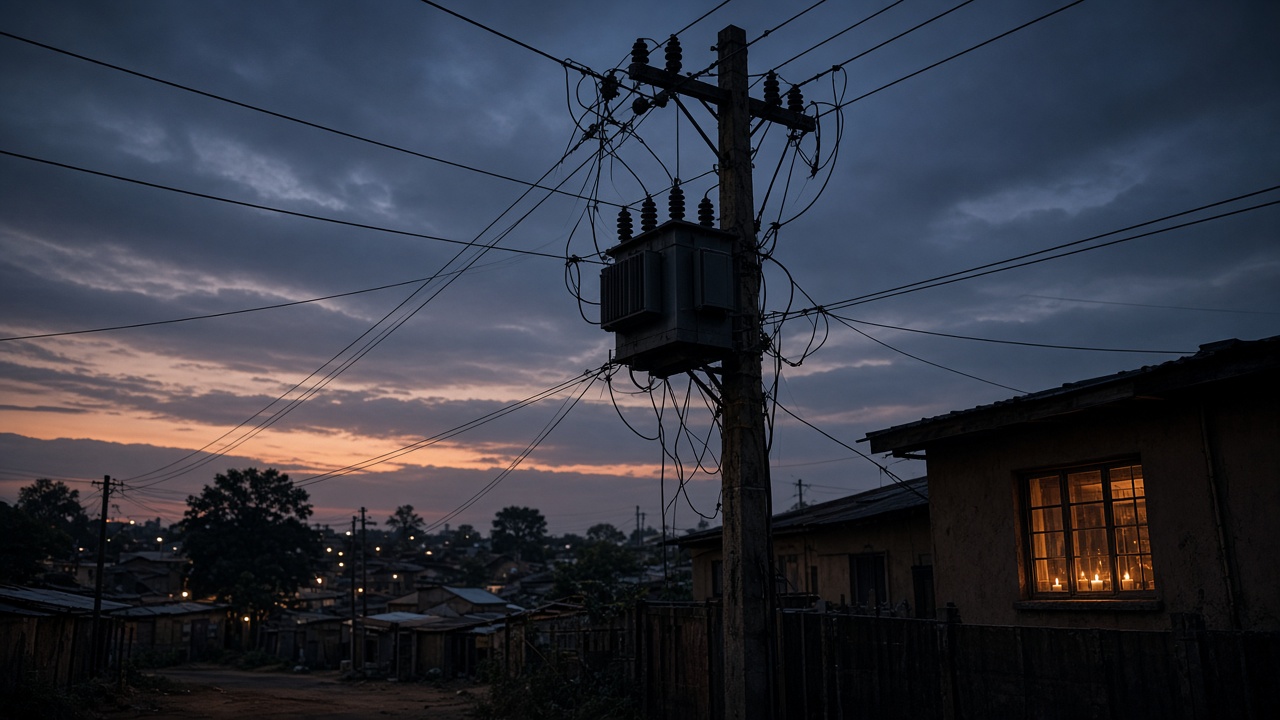
Quick summary: ESCOM (Electricity Supply Corporation of Malawi) rotates power cuts across zones when generation cannot meet demand. Schedules are published online and via social media – times shift when river levels or plant outages change. Plan around your zone group, not guesswork.
Load shedding is a fact of life for Malawian households and businesses. When water levels at major hydro plants drop, or when ageing diesel peakers struggle with fuel costs, ESCOM balances the grid by switching off feeders in rotation. Knowing your zone and preparing reduces spoiled food, lost work, and fried electronics.
How schedules work
ESCOM divides customers into groups (often labelled A, B, C, and so on by area). Each group may lose power for a set window – commonly two to four hours – before the next group is shed. During severe shortages, windows lengthen or double sessions occur. Schedules are posted on ESCOM’s Facebook page, website, and sometimes SMS alerts. Blantyre and Lilongwe have separate feeder maps.
Checking your zone
Find your area on the published timetable – match suburb names (Area 47, Ndirande, Chilinde) to the feeder list. If unsure, check your ESCOM bill account number or call the customer helpline. Landlords and estate managers should post the weekly schedule for tenants. Businesses running cold rooms or servers need UPS sizing based on actual outage length, not best-case times.
Practical coping tips
- Surge protection: Power returns can spike – use protectors on TVs, fridges, and computers.
- LED lighting and power banks: Cheap insurance for evening outages.
- Gas or charcoal backup: For cooking when electric stoves are useless.
- Solar lamps: Charge during the day if you have panels.
- Refrigeration: Keep freezer doors closed; a full freezer holds cold longer.
Long-term relief depends on new generation – solar IPPs, Mozambique interconnector projects, and dam rehabilitation. Until then, treat the schedule as daily weather: check every morning.