
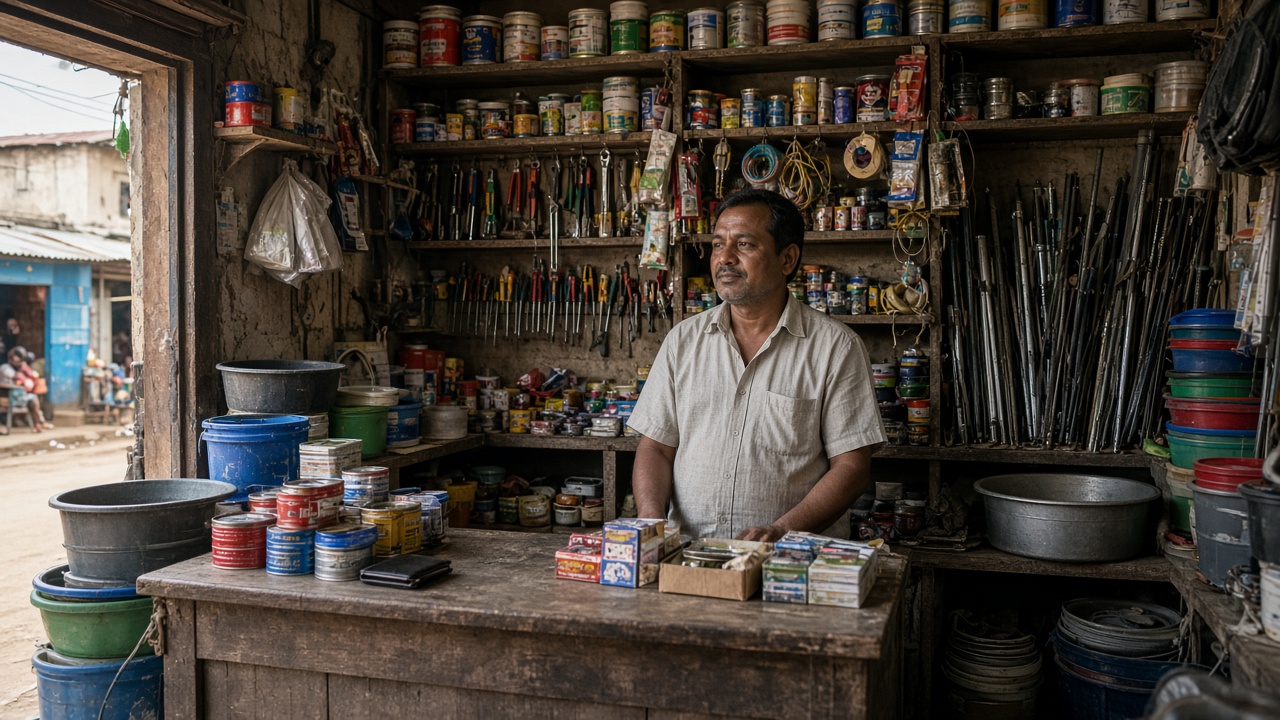
Quick summary: Malawians of Indian descent – often called “Malawians of Indian origin” – have lived in the country for over a century, building retail, manufacturing, and professional networks centred in Blantyre and Limbe. Hindu and Muslim communities maintain temples, mosques, and cultural associations.
The Indian community is woven into Malawi’s economic fabric. Walk through Limbe or Blantyre’s Ginnery Corner and you see family businesses that span generations – wholesalers, pharmacies, electronics, and import houses that stock goods from Mzuzu to Nsanje.
Historical roots
Indian traders arrived during the British Nyasaland period, many from Gujarat, Kutch, and the Konkan coast, following railway and plantation labour routes from East and Southern Africa. They opened dukas (shops) along rail lines, extended credit to farmers, and imported textiles, spices, and hardware. After independence, most chose to remain and take Malawian citizenship – contributing to nation-building while maintaining kinship ties abroad.
Economic role today
Indian-origin families remain prominent in wholesale, retail, milling, and property. Limbe is often called Malawi’s commercial capital partly because of this entrepreneurial density. Younger generations enter law, medicine, IT, and NGO work – not only family shops. Critics sometimes stereotype the community; fair reporting recognises diversity within it, including working-class families and recent migrants on work permits.
Culture and faith
Hindu Sabha temples in Blantyre and Lilongwe host Diwali and Holi; Muslim communities gather for Eid at Limbe and Zomba mosques. The Shree Hindu Seva Samaj and similar groups run charities – schools support, cyclone relief, and hospital donations. Cuisine influences national taste: masala chips, samosas, and chutney sell at every bus depot.
Relations with wider Malawian society are generally cooperative but not without tension during economic stress. Community leaders emphasise integration, tax compliance, and hiring locally. Documenting this history honours shared belonging in the Warm Heart of Africa.