
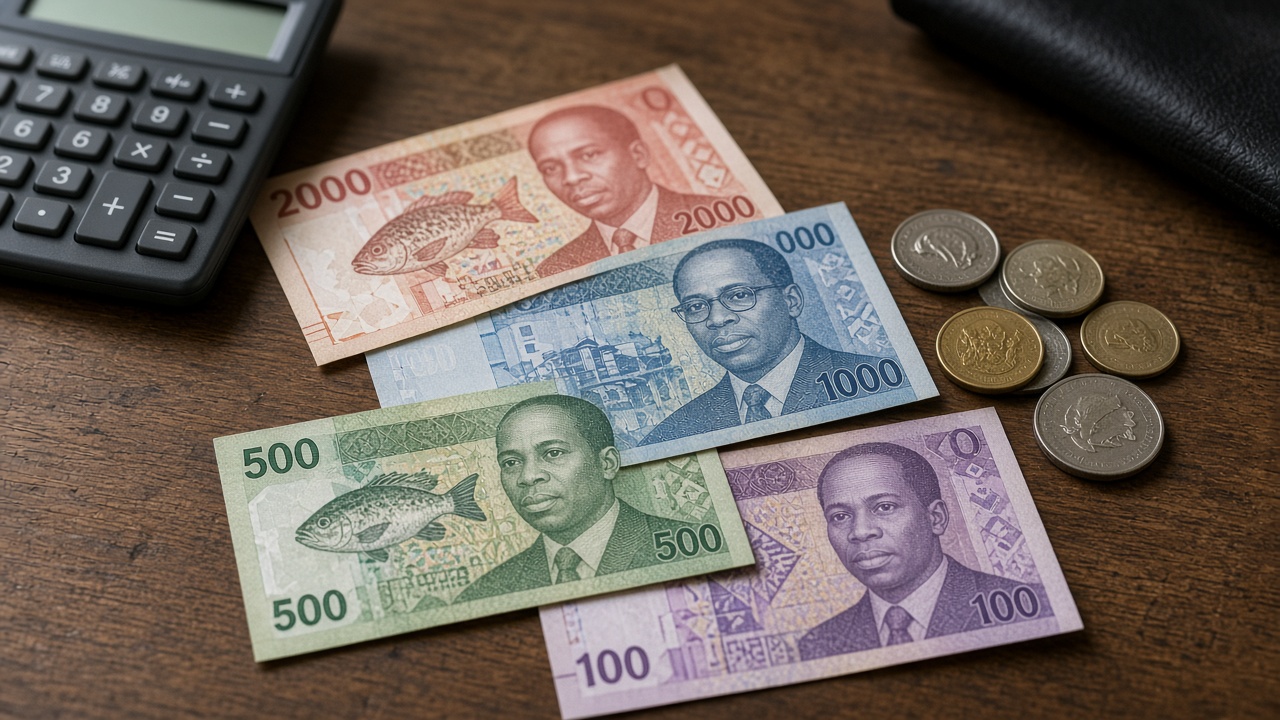
Quick summary: The kwacha (MWK) trades in a managed float against major currencies. Street bureau rates, bank boards, and the Reserve Bank of Malawi (RBM) reference rate can differ – compare before exchanging large sums or pricing imports.
Whether you are a trader in Limbe, a student budgeting in Zomba, or a Malawian in Johannesburg sending remittances home, the exchange rate shapes every purchase. The kwacha has experienced significant depreciation over the past decade, driven by import demand, fuel costs, tobacco export earnings, and global dollar strength.
Official vs market rates
The Reserve Bank of Malawi publishes a daily reference exchange rate used for accounting and some government transactions. Commercial banks quote buying and selling rates for USD, GBP, EUR, ZAR, and other currencies. Licensed forex bureaus in Lilongwe, Blantyre, and Mzuzu often offer competitive cash rates – always use licensed operators and ask for a receipt.
Common currency pairs
USD/MWK is the benchmark for fuel imports, medicines, and many invoices. ZAR/MWK matters for cross-border trade with South Africa and for remittances from Malawians working in Gauteng or Cape Town. GBP and EUR feature in UK and EU diaspora transfers. Rates move daily; do not rely on figures from last month for contracts.
Practical tips
- Compare at least two banks or bureaus before exchanging more than $500 equivalent.
- Mobile money and bank apps may use their own conversion rates for cross-border products – read the fee schedule.
- Importers should factor forex into pricing early; sudden kwacha moves squeeze margins on goods priced in dollars.
- Diaspora senders: compare Western Union, MoneyGram, WorldRemit, and bank SWIFT transfers – total cost includes fee plus spread.
Black-market forex is illegal and risky – you lose recourse if notes are counterfeit or police intervene. Stick to RBM-licensed dealers.